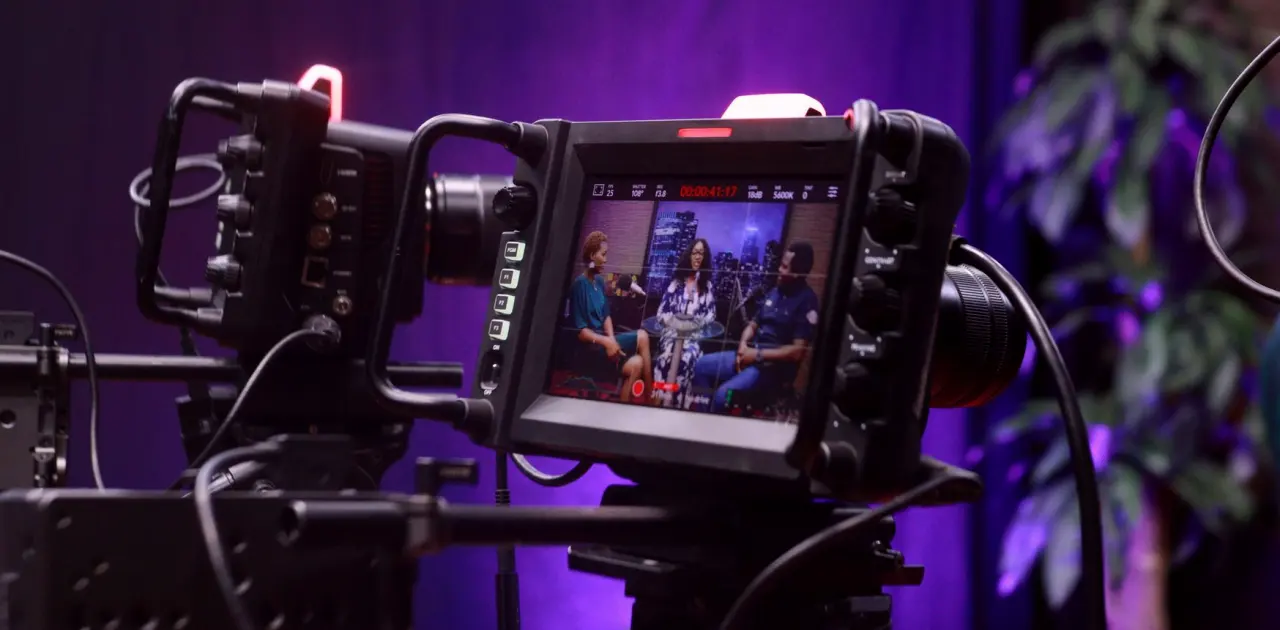
Why equipment records matter more in autumn
Mid autumn is when most television studios settle into their heaviest routine. Evening bulletins run longer, entertainment recordings fill the diary again, and the same cameras, lenses and monitors are asked to be in two places at once. In my years on the studio floor, the problems that cost the most time were rarely dramatic failures. They were small gaps: a lens signed out and never signed back in, a monitor with a known fault that nobody had written down, a cable run that moved between studios without a note.
That experience is why Studio Equipment Management sits at the heart of what newzara offers. It lets a studio track cameras, lenses, monitors and cabling in one place, with clear booking and maintenance records that everyone on the team can read. This article explains what we are putting emphasis on for clients this season and how the records are meant to be used day to day.
What the records cover
Each item a studio owns or hires in has its own entry. For a camera body that means where it is kept, which studio or production has booked it, and who last handled it. For a lens it can include the mount type and any note about marks or focus drift. Monitors, tripods, heads and cable looms are treated the same way, so a technician looking for a spare does not have to ask three colleagues.
Bookings sit next to the maintenance history rather than in a separate tool. If a viewfinder cable has been repaired twice in a month, that shows up when someone tries to book it for a live show. The point is not to produce paperwork for its own sake but to put the right fact in front of the right person at the moment a decision is made.
- Camera bodies, lenses, monitors and cabling in one list
- Booking history beside maintenance notes
- Clear record of who last handled each item
How a booking works in practice
A producer or studio manager raises a request for a production, naming the studio, the dates and the kit required. The equipment lead then sees which items are free, which are booked elsewhere and which are waiting on repair. Conflicts show up before the day rather than at the load-in, when there is nobody left to resolve them calmly.
Once a booking is confirmed, the crew call for that production can refer to it directly. Camera operators know which bodies and lenses to expect, sound and lighting teams can see which monitors and cabling are reserved, and the person who returns the kit at the end of the day has a plain list to check against. We have kept the steps few and the wording plain, because a busy gallery has no appetite for a complicated form.
Maintenance notes that people will actually write
A maintenance log only works if crew members add to it, and they only add to it when it takes seconds. We have designed the entries around the things floor staff already say out loud: this tally light is flickering, that lens needs cleaning, this cable has a loose connector. A short note, the item, and the date are enough to start with.
From there, the equipment lead can decide whether an item stays in rotation, goes for repair or is held back from live work. Over a season, the log also shows patterns. If the same type of connector keeps failing, that is useful to know before the next purchase order, and it is far easier to see in a list than to remember from conversations in the corridor.
- Short notes in the crew's own words
- Items can be held back from live work
- Patterns visible across a whole season
Getting ready for the busy weeks ahead
If your studio is thinking about its records before the winter schedule begins, a sensible first step is a walk-round. Count what you own, note where each item normally lives, and mark anything already known to be unreliable. That list becomes the starting point for tracking, and it often turns up kit that has been sitting unused in a cupboard.
Next, agree who is responsible for signing items in and out. Records fall apart when everyone is responsible, so name one person per studio and one deputy. We help new clients set this up during onboarding, drawing on how other newsrooms and entertainment teams share the work, and we adjust it to the rhythm of your own shows rather than imposing a fixed method.
- Walk the studio and list every item
- Mark known faults before tracking begins
- Name one person and one deputy per studio
What we are focusing on this season
For the coming weeks, our engineering team is concentrating on making booking and maintenance views quicker to read on a gallery screen, where glare and distance make dense tables hard to follow. Daniel Okafor and Tom Bradshaw have been working with studio staff to cut the information down to what is needed in the moment, with the detail one click behind it.
We are also continuing to talk to clients about how they handle kit that moves between studios or is hired in for a single production. Those cases cause the most confusion, and getting them right matters more than adding new features. If you would like to discuss how this would look in your own studios, the contact page is the best place to start.
Good equipment records are not glamorous, but they save a surprising amount of time when schedules tighten. A clear booking list and an honest maintenance log mean fewer surprises at load-in and fewer calls to find a missing lens. If your studio is heading into a busy stretch, now is a sensible time to put the basics in order, and we are glad to talk it through.