newzaraContact

Services

Six areas of studio operations, from equipment records to live show cues, and how each one is set up with your crew.

What we offer

Six ways we support your studio

  • Studio Equipment Management

    Keep cameras, lenses, monitors and cabling in one shared record. Each item has a booking history and maintenance notes, so crews know what is free, what is out for repair and what needs checking.

  • Camera Movement Planning

    Plan dolly, crane and robotic camera moves show by show. We build shot lists that operators, directors and vision mixers can all read, so every move is agreed well before the rehearsal.

  • Lighting Design Coordination

    Organise lighting plots and rigging schedules across the week. When a studio switches from a news bulletin to an entertainment recording, the rig changes are listed, timed and assigned.

  • Sound and Audio Management

    Coordinate microphones, mixing desk layouts and talkback channels. Audio teams receive the setup in advance, so radio mics, feeds and intercom are patched and checked before the show goes live.

  • Newsroom Production Coordination

    Bring producers, directors and technical crew onto shared rundowns and schedules. Daily bulletins run from one agreed document, and late changes reach everyone at the same moment.

  • Live Entertainment Show Support

    Prepare run-sheets, crew calls and cue tracking for live entertainment recordings and broadcasts. The running order stays visible to the gallery and floor, whatever changes during the evening.

In detail

Studio Equipment Management in practice

This service suits studio managers and technical supervisors who share kit between several studios or productions. Equipment is entered once, then booked, checked and returned through one record that every department can read.

Contact
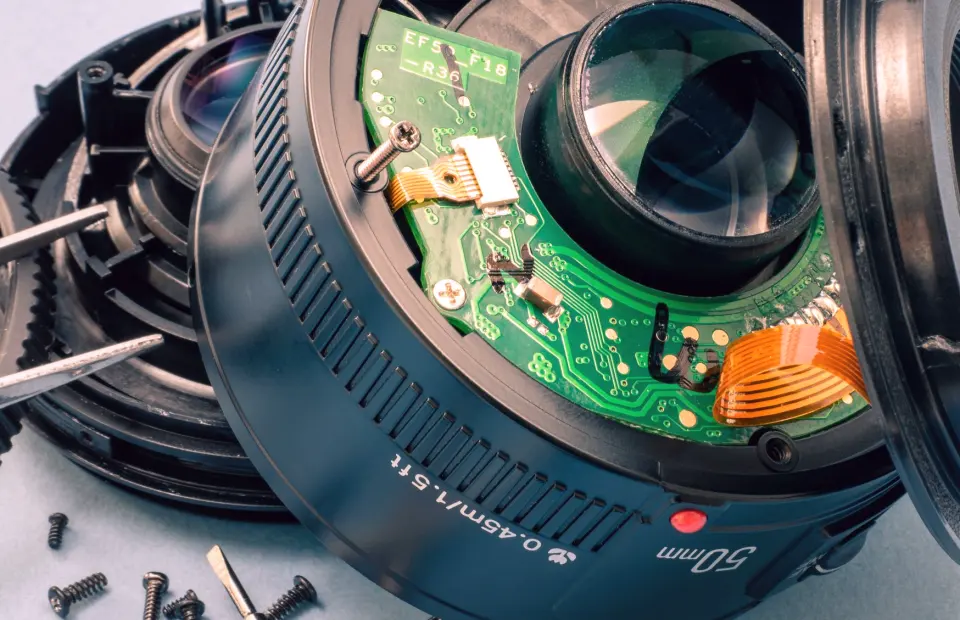
Studio Equipment Management in practice
Inventory of cameras, lenses and monitors
Each item is listed with its serial details, accessories and current location. We help you agree naming and grouping so crews find a lens or a monitor by the same words each time.
Booking across studios
Departments request kit against a show and a time slot. Clashes show up before the day, so a camera is not promised to two studios at the same call.
Maintenance and fault records
Faults, repairs and routine checks are logged against the item. Engineers see the history at a glance and can decide whether a piece of kit is safe to put on a show.
Cabling and small items
Cable runs, adaptors and stands are grouped into sets that travel together. Counting a set back in at the end of a recording takes minutes rather than a search of the gallery.

Before we start, gather your current kit list in whatever form it exists, even a spreadsheet, along with a note of which studios share equipment.

How it works

From first enquiry to a running studio

We begin with a conversation about how your studio runs today. From there the work moves in clear stages, each agreed with you in writing before the next begins.

  1. Enquiry

    You contact us through the contact page and describe your studio, your shows and where coordination currently slips. We reply in writing with a few questions and a suggested way forward.

  2. Studio review

    We look at your schedules, kit records and rundown formats. The aim is to understand what your crew already does well, so we change only what needs changing.

  3. Written quotation

    You receive a written quotation naming the services, what is included and what could change the price. Work starts once you confirm it in writing.

  4. Setup with your crew

    We set up shared records, schedules and run-sheets alongside producers and technical staff. Sessions fit around your transmission times rather than interrupting them.

  5. Review after live use

    After your first weeks of real shows, we meet to see what worked at the desk and on the floor. Adjustments are agreed together and recorded in the shared workspace.

Client feedback

What studio teams tell us

Before newzara, our lighting changes between the lunchtime bulletin and the evening entertainment recording lived in three different notebooks. Now the rig plan, the timings and the crew assignments sit in one place, and the floor manager can answer questions without hunting for them.

Rebecca HartleyStudio manager at a regional television studio
  • The shot lists are clear enough that our freelance camera operators arrive already knowing the dolly moves. Rehearsals start with fewer questions and fewer pauses.

    Marcus Ellery · Director, live entertainment production
  • Our rundowns used to be emailed around and edited in several copies. A single shared schedule has made late changes much easier to handle in the gallery.

    Sunita Rao · Senior producer, daily news programme
  • Equipment records are finally honest. We can see which monitors are due for checking and which cameras are free before we promise them to another show.

    Graham Pollitt · Technical supervisor, broadcast facility

Find us

Address
14 Kings Road Business Court, Reading RG1 3AR
newzara

newzara gives television studios one shared workspace for equipment, crew schedules and production coordination, supporting newsrooms and live entertainment teams from Reading.

© 2026 newzara. All rights reserved