Notes from the studio floor
Practical articles on equipment, camera movement, lighting, sound and the daily coordination of newsrooms and live entertainment productions.
We publish about one article a day, written for people who run studios and crews. Each one looks at a specific problem in planning, equipment or production coordination.
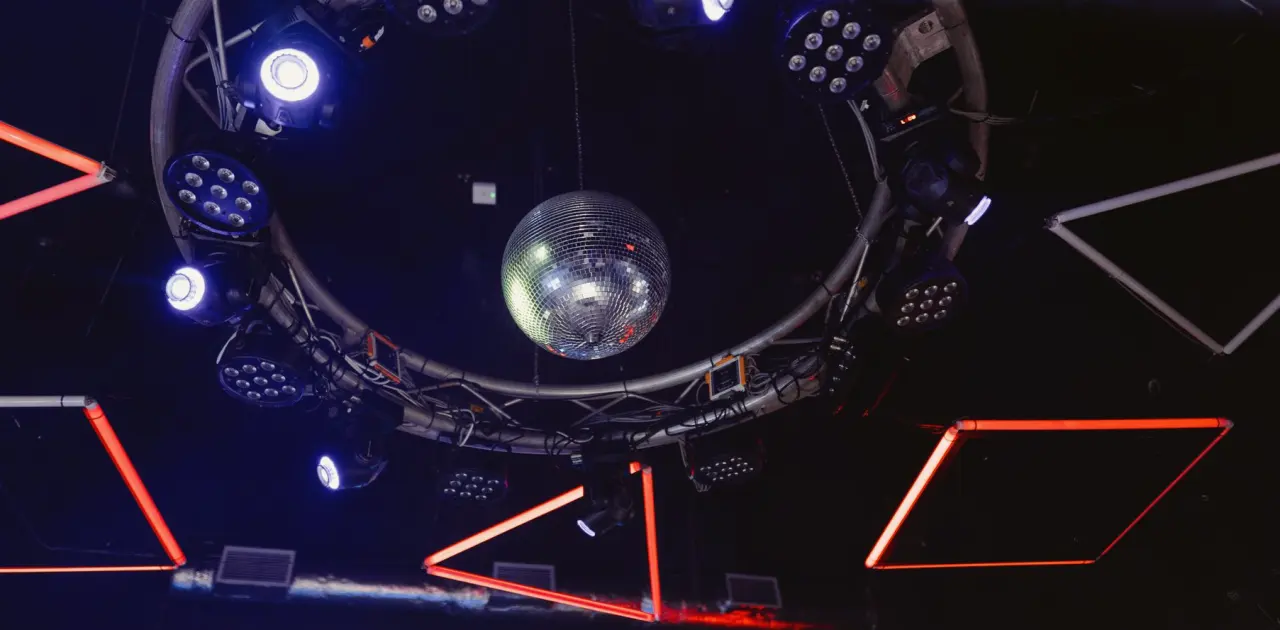
Building a Lighting Plot That Survives the Switch from Bulletin to Show
A practical guide to organising lighting plots, rigging schedules and rig changes so a studio can move from a news bulletin to an entertainment recording without losing time.
Continue reading →
Before You Commit: A Newsroom Coordination Checklist
Thinking about shared rundowns and schedules for daily bulletins? Tom Bradshaw sets out the questions a studio team should answer before choosing how to coordinate producers, directors and crew.
Continue reading →
Camera Move Planning: Mistakes That Cost Studios Time, and Fixes
Six common slips in planning dolly, crane and robotic camera moves for studio shows, and the habits that keep a crew working from one clear shot list.
Continue reading →
What Sound and Audio Management Costs and What Moves the Price
A plain look at how audio coordination is priced for a television studio, which parts of a job raise or lower the figure, and what to settle before asking for a quotation.
Continue reading →
Finding the Missing Lens: One Studio's Equipment Records
Daniel Okafor tells the story of Marcus, a studio manager who stopped losing lenses between two studios once booking and maintenance records lived in one place.
Continue reading →
Preparing Live Entertainment Run-Sheets for the Darker Months
Autumn recordings bring earlier call times, tighter gallery days and more audience logistics. Tom Bradshaw sets out how to build run-sheets and crew calls that hold up through the coming months.
Continue reading →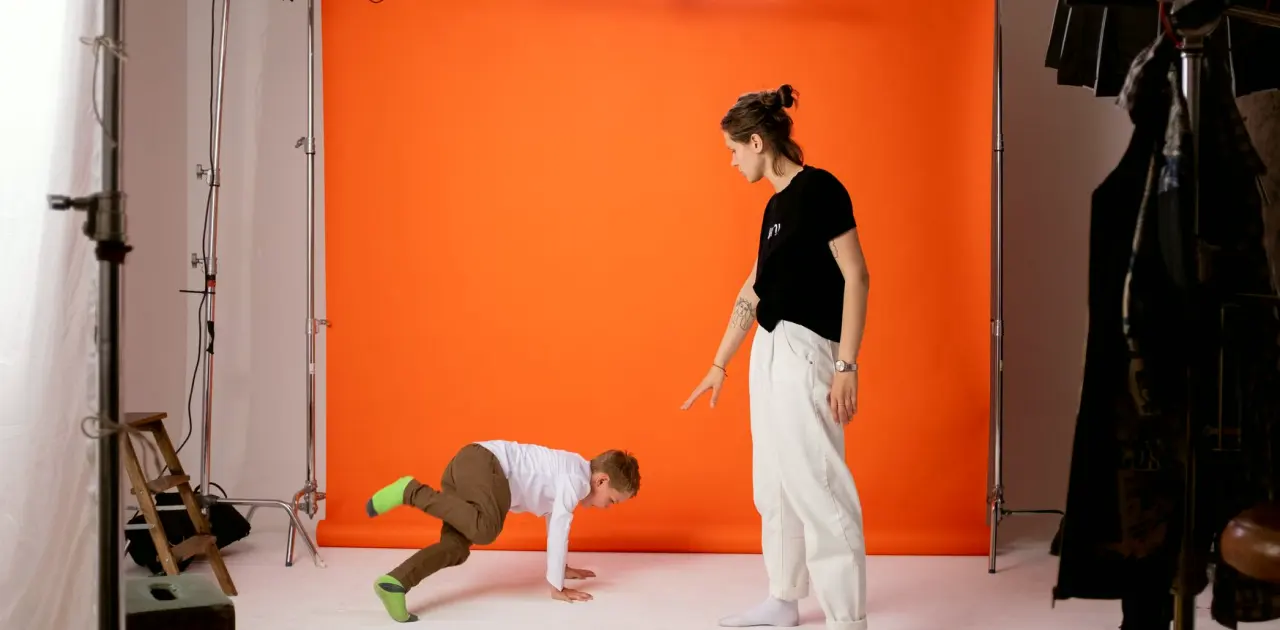
What a Lighting Plot Is and How It Gets Used in the Studio
A lighting plot is the drawing everyone on the floor works from. Tom Bradshaw explains what it shows, who reads it, and why rig changes go smoothly when it is kept current.
Continue reading →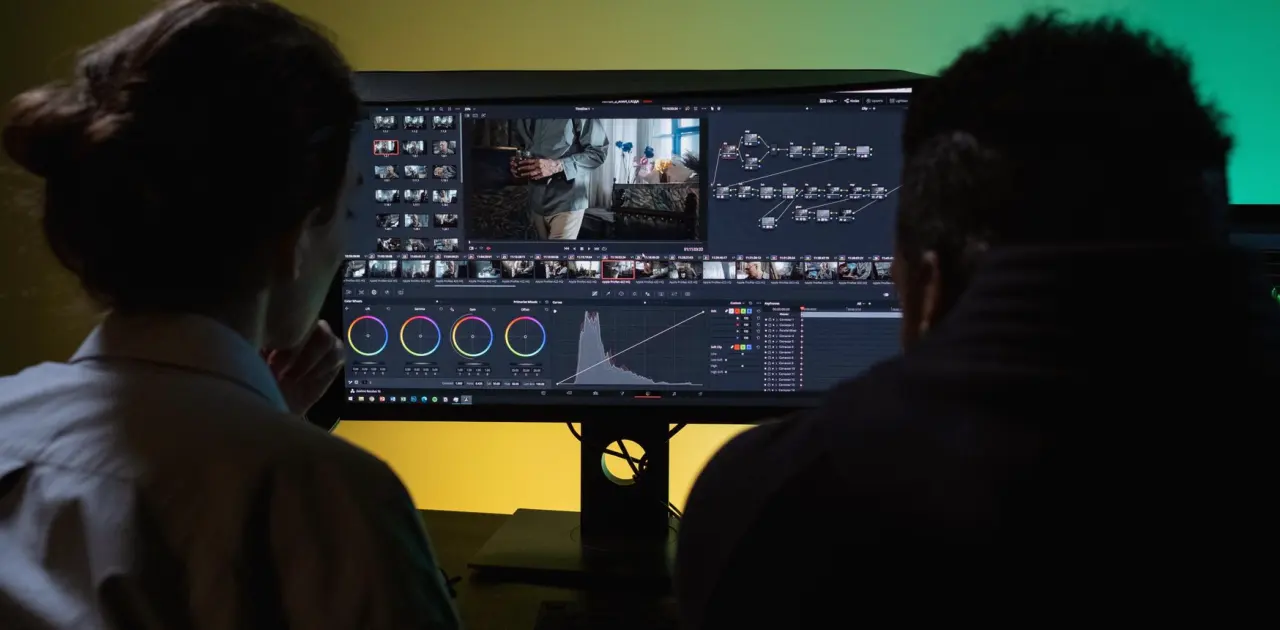
Shared rundown or separate lists: choosing how a newsroom coordinates
Two ways to run daily bulletins: one shared rundown the whole crew edits, or separate lists for editorial and technical teams. We compare them and say which we recommend.
Continue reading →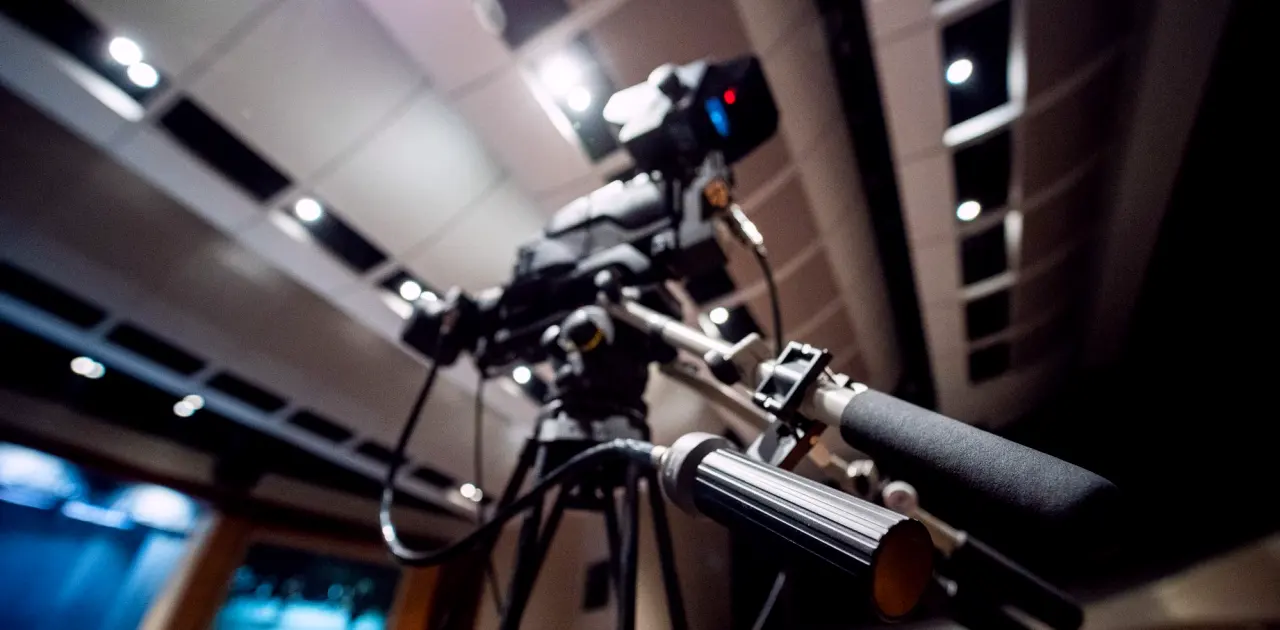
How a Camera Move Gets Planned Before the Studio Doors Open
A look at how dolly, crane and robotic moves are worked out on paper first, then walked through with the floor crew so every operator knows the shot before rehearsal.
Continue reading →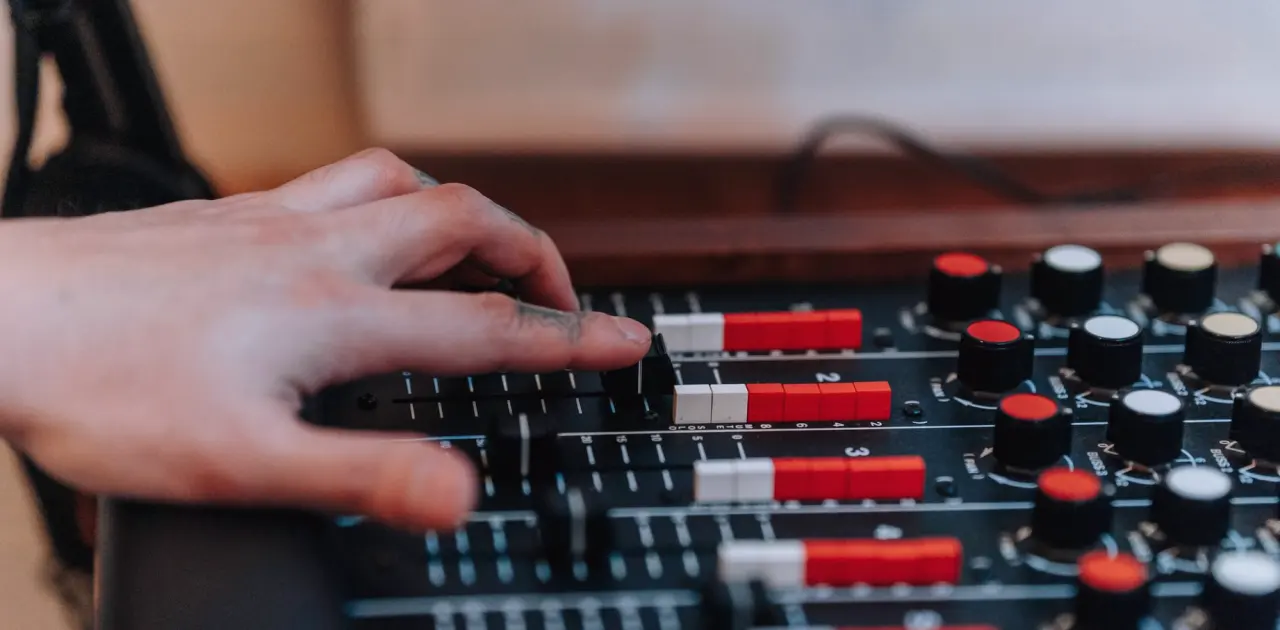
What Should an Audio Team Know Before the Show Goes Live?
The question we hear most about sound is what the audio team needs in hand before a recording or broadcast begins. Here is a practical answer, from microphones to talkback.
Continue reading →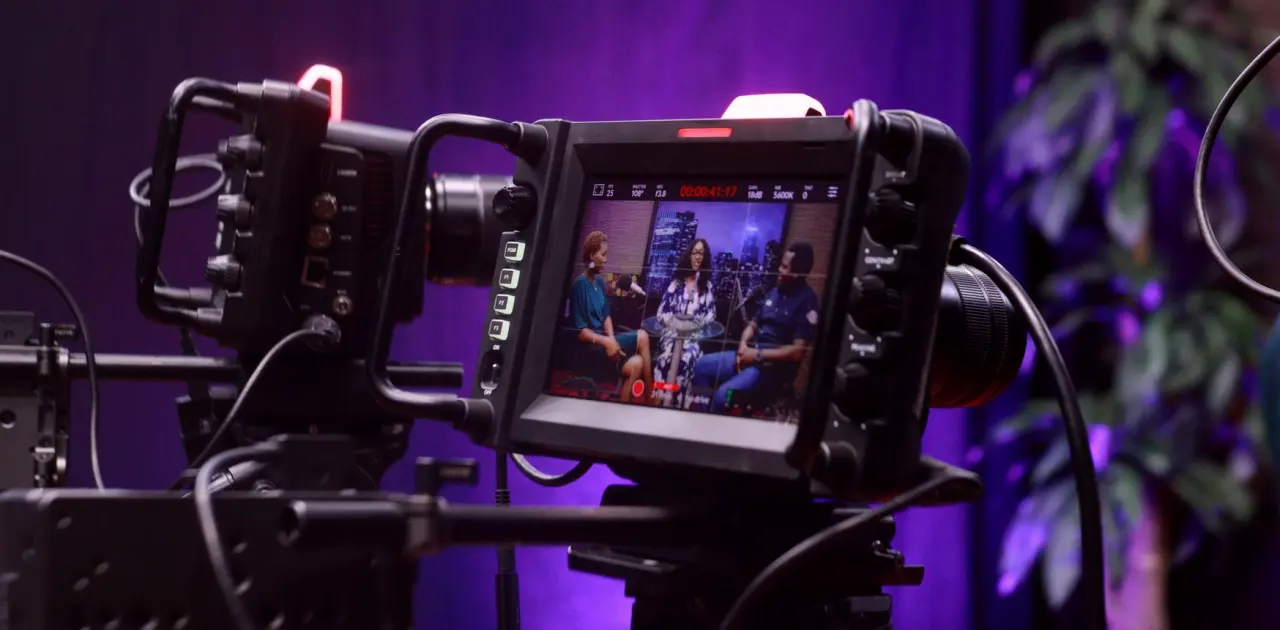
Keeping Track of Every Camera, Lens and Cable This Autumn
As studios move into the busiest months of the year, we look at how Studio Equipment Management keeps booking and maintenance records clear for gallery and floor crews.
Continue reading →
The Run-Sheets and Cue Tools We Rely On for Live Entertainment
A look at the run-sheets, crew call sheets and cue trackers we use to support live entertainment recordings, and why plain, shared documents beat clever ones on show night.
Continue reading →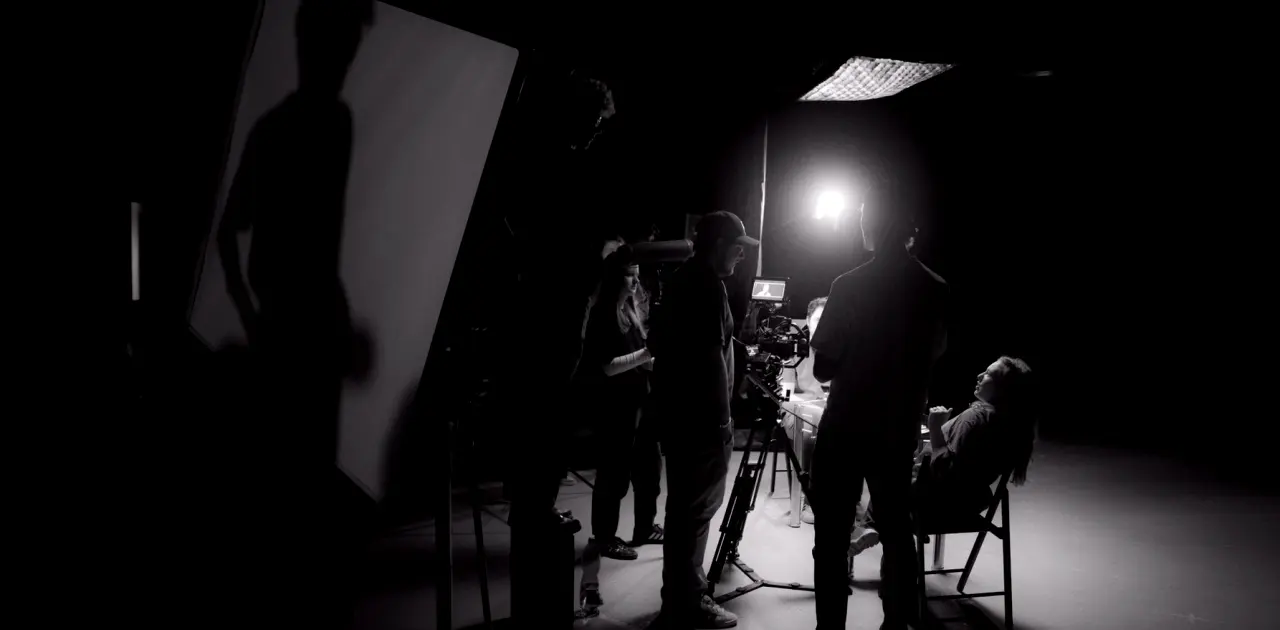
Lighting Coordination: A Checklist to Work Through Before You Decide
Before committing to a way of planning lighting plots, rigging and rig changes, Hannah Whitfield sets out the questions a studio team should answer first, from plots to turnaround times.
Continue reading →
Rundown Mistakes That Slow a Newsroom, and How to Avoid Them
Most delays on a bulletin day trace back to a handful of avoidable habits in how rundowns and crew calls are kept. Here are the ones we see most, with fixes that fit a working newsroom.
Continue reading →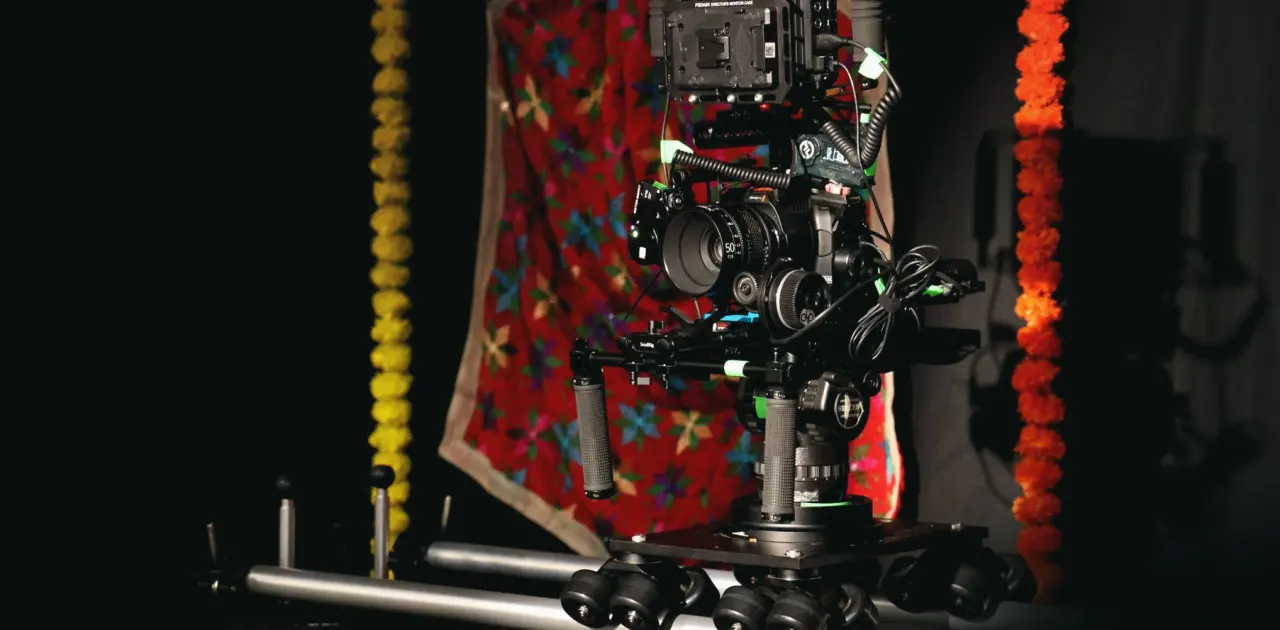
What Camera Movement Planning Costs and What Moves the Price
A plain account of how camera movement planning is priced for television studios, which parts of a show raise or lower the figure, and what to have ready before asking for a quotation.
Continue reading →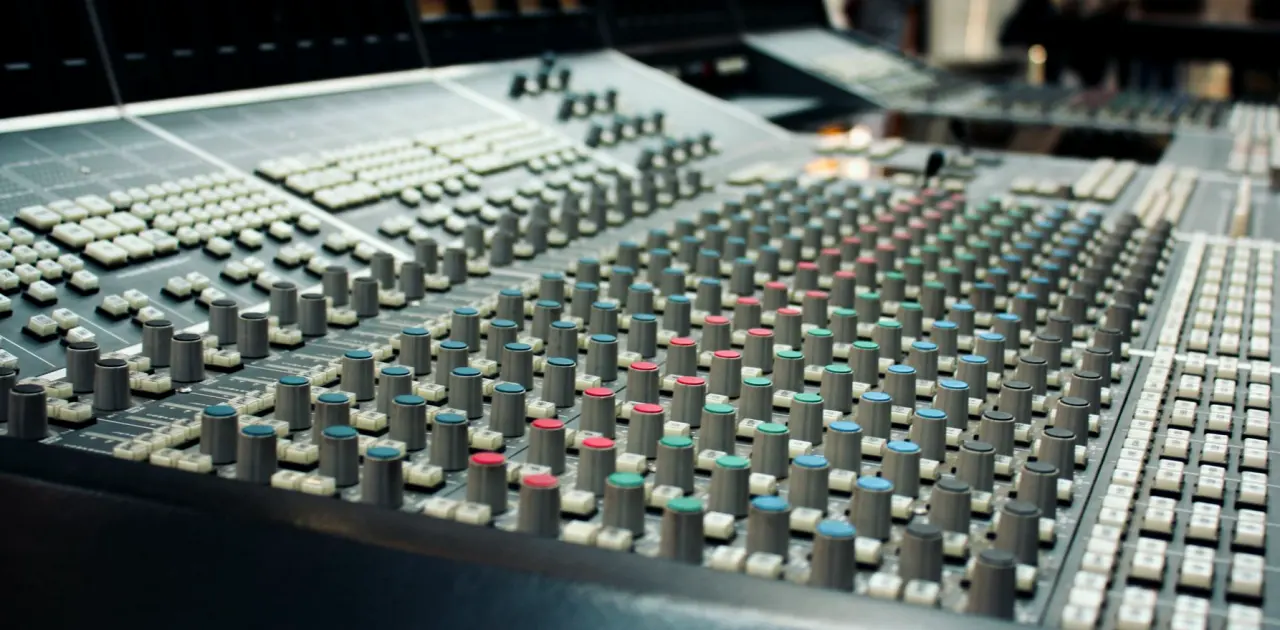
Four Microphones, One Talkback Channel: A Studio Audio Case
Priya Nair recounts how a regional entertainment studio led by Marcus stopped losing the first minutes of every recording to microphone and talkback confusion.
Continue reading →
Getting Studio Equipment Ready for the Darker Months
Mid autumn is a good moment to check cameras, lenses, monitors and cabling before the busiest broadcast stretch. Here is how we would approach it, step by step.
Continue reading →